Joint Enforcement Targets Unlicensed Gambling Sites Across Sheffield and Doncaster
Tina Klein · Aug 11, 2026

Joint Enforcement Targets Unlicensed Gambling Sites Across Sheffield and Doncaster
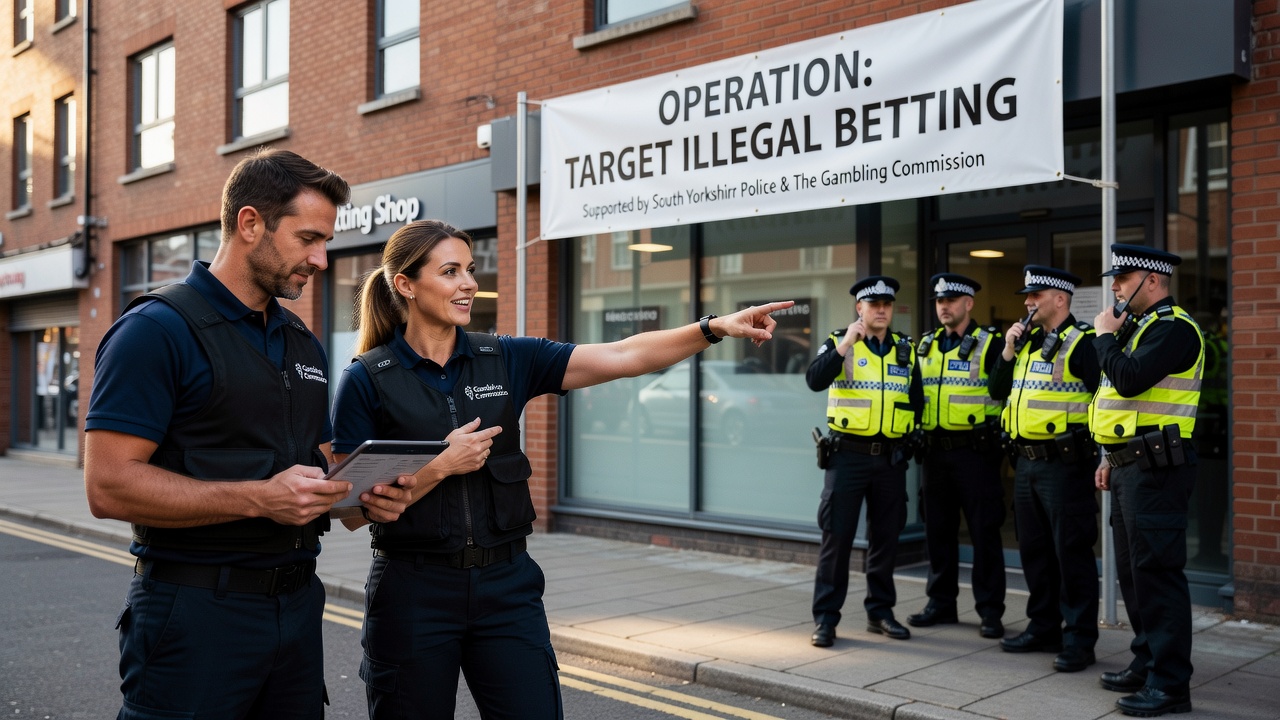
Authorities moved in coordinated fashion when teh Gambling Commission backed South Yorkshire Police during a targeted operation that focused on illegal gambling and suspected organised criminal activity in Sheffield and Doncaster, and the effort directly addressed unlicensed gambling operations that had operated outside regulatory oversight. Officers executed warrants at multiple premises while investigators examined financial records and equipment linked to betting activities that lacked required licences, and the joint approach allowed each agency to apply its specific expertise in real time.
Scope of the Coordinated Action
Teams concentrated resources on locations where intelligence indicated unlicensed gambling was taking place, and they seized materials that could support further inquiries into how these sites connected to wider networks. The operation covered both cities because evidence suggested overlapping patterns of activity, while the presence of Gambling Commission specialists on site enabled immediate assessment of whether premises held valid authorisations or operated in breach of licensing conditions. Police handled the criminal elements under investigation, and the Commission supplied regulatory guidance that helped distinguish between standard unlicensed activity and cases that might involve organised groups.
Roles Played by Each Agency
South Yorkshire Police led the physical execution of warrants and managed public safety during the entries, yet Gambling Commission staff accompanied officers to provide on-the-spot verification of licensing status and to advise on the seizure of gambling-related equipment. This division of responsibilities ensured that evidence collection remained compliant with both criminal procedure and regulatory requirements, and the combined presence reduced the chance that operators could claim ignorance of licensing rules. Observers note that such partnerships have become standard when intelligence points to unlicensed gambling that may intersect with other criminal concerns, and the current action in Sheffield and Doncaster followed that established pattern without deviation.
Data gathered during the operation will feed into ongoing assessments of how unlicensed sites function in the region, and analysts will review transaction records to trace any links between the premises and larger organised structures. The Commission has stated that the support it provided forms part of its routine cooperation with police forces when unlicensed gambling appears alongside suspected criminal enterprise, and the agency continues to maintain that early intervention limits the reach of such operations. Those who have studied enforcement trends know that joint actions like this one often reveal additional sites once initial premises are examined, while the public record remains limited until further charges or regulatory notices are issued.
Regulatory Context and Next Steps
Under current legislation, any gambling operation must hold the appropriate licence issued by the Gambling Commission, and the absence of such authorisation constitutes an offence that can trigger both criminal and regulatory consequences. The present operation in Sheffield and Doncaster illustrates how authorities apply that requirement in practice, and it shows the Commission’s willingness to deploy personnel alongside police when intelligence indicates organised involvement. Further analysis of seized materials will determine whether additional locations require attention, and the agencies have indicated they will share findings to avoid duplication of effort.
Residents in the affected areas received information through official channels once the operation concluded its initial phase, and authorities encouraged anyone with relevant information to contact the dedicated lines set up for this inquiry. The focus remains on establishing the full extent of unlicensed activity rather than on immediate public commentary, and both the police and the Commission have kept statements concise while investigations continue. This measured approach allows evidence to be processed methodically, and it prevents premature conclusions about the scale of any organised networks that may be involved.
Evidence Handling and Future Actions
Materials taken during the entries include electronic devices, financial documents and gambling paraphernalia, and these items will undergo forensic examination to identify transaction patterns and participant details. The Gambling Commission will use its regulatory powers to pursue any licensing breaches that emerge, while South Yorkshire Police will assess whether criminal charges related to organised activity are warranted. Coordination between the two bodies ensures that parallel proceedings can advance without conflicting timelines, and updates will be released only when substantive developments occur.
Conclusion
The coordinated effort between the Gambling Commission and South Yorkshire Police has produced a clear record of action against unlicensed gambling in Sheffield and Doncaster, and the operation stands as one instance of how regulatory and criminal authorities combine resources when intelligence points to organised involvement. Further outcomes will depend on the analysis of evidence collected, yet the immediate result demonstrates that unlicensed sites remain subject to enforcement regardless of location or apparent scale. Those following the case can monitor official statements from the Gambling Commission for any additional notices that arise from the investigation.