Deciphering defensive scheme shifts for basketball over-under opportunities
Tina Klein · Aug 6, 2026
Basketball Defense Transitions: Keys to Over Under Predictions
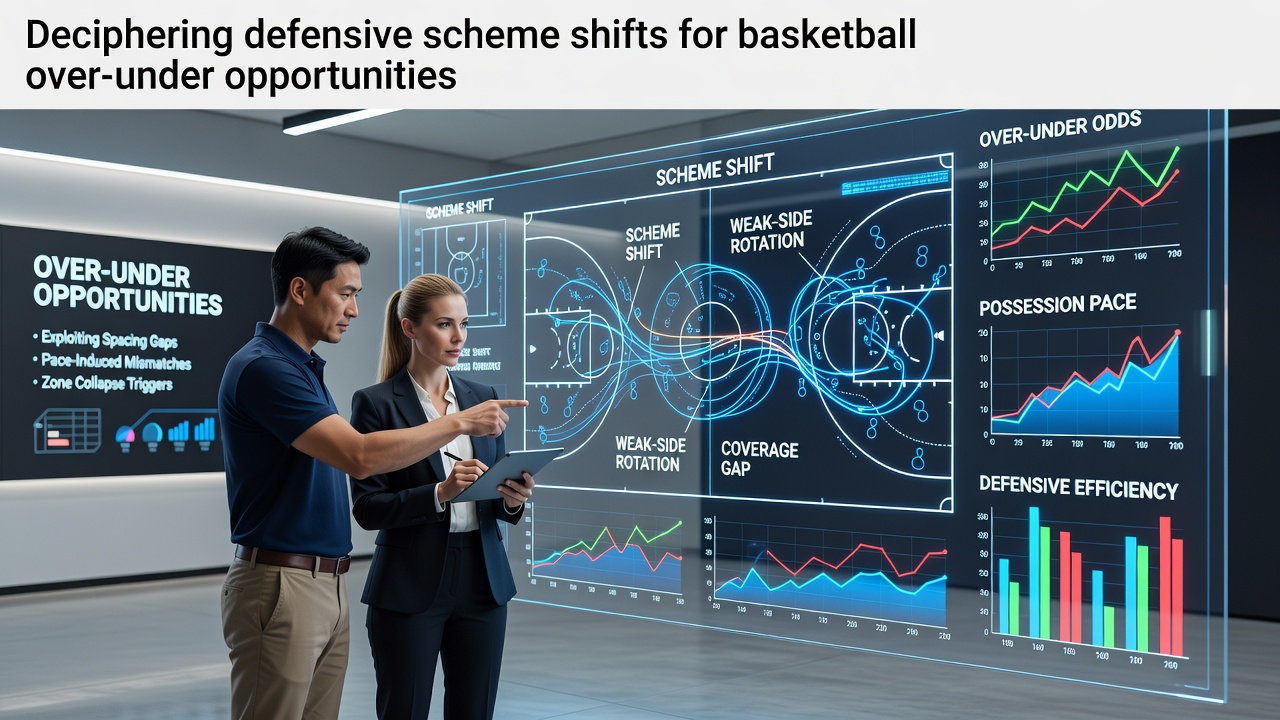
Defensive scheme shifts in basketball often determine whether games land over or under projected totals, and analysts track these adjustments through play-by-play data along with video breakdowns. Teams switch from man-to-man coverage to zone alignments or hybrid presses when they face high-scoring opponents, and these changes alter pace, shot selection, and overall scoring output. Data from recent seasons shows that squads implementing early defensive tweaks reduce opponent field goal percentages by noticeable margins, which in turn compresses point totals in the first half. Coaches study opponent tendencies before tip-off, yet in-game adaptations prove more decisive for totals betting. A team might start in a standard 2-3 zone but transition to a full-court press after the opening quarter if turnovers mount, and such shifts slow offensive flow while forcing rushed shots. Observers note that these adjustments frequently cap scoring in the 95 to 105 point range per team when executed consistently, especially against pace-oriented offenses.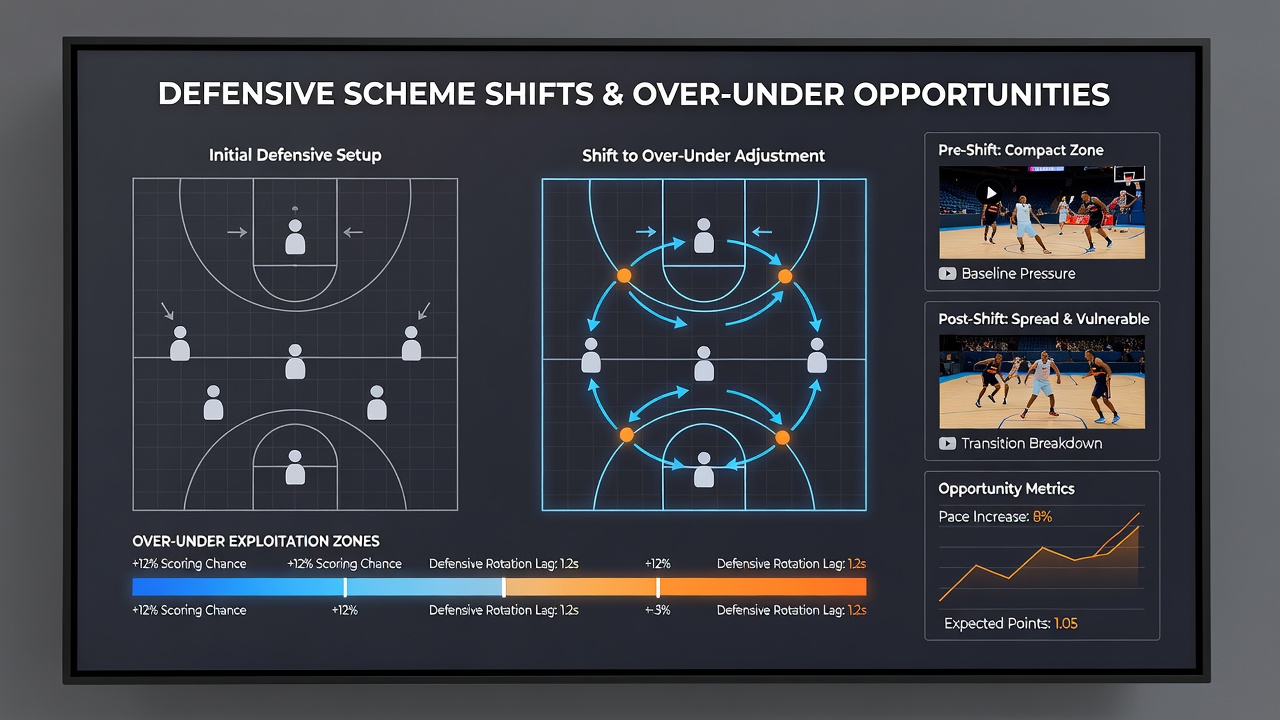
Defensive scheme shifts in basketball often determine whether games land over or under projected totals, and analysts track these adjustments through play-by-play data along with video breakdowns. Teams switch from man-to-man coverage to zone alignments or hybrid presses when they face high-scoring opponents, and these changes alter pace, shot selection, and overall scoring output. Data from recent seasons shows that squads implementing early defensive tweaks reduce opponent field goal percentages by noticeable margins, which in turn compresses point totals in the first half. Coaches study opponent tendencies before tip-off, yet in-game adaptations prove more decisive for totals betting. A team might start in a standard 2-3 zone but transition to a full-court press after the opening quarter if turnovers mount, and such shifts slow offensive flow while forcing rushed shots. Observers note that these adjustments frequently cap scoring in the 95 to 105 point range per team when executed consistently, especially against pace-oriented offenses.Core Defensive Formations and Scoring Impacts
Man-to-man defense emphasizes individual matchups and allows quicker transitions after stops, whereas zone schemes clog driving lanes and contest perimeter attempts more effectively. Research from sports analytics groups indicates that zone-heavy teams post lower points allowed per possession, particularly when they rotate help defenders promptly. Those who study film recognize that switches between these systems create measurable dips in effective field goal percentage for the opposing side. Hybrid approaches combine elements of both, and coaches deploy them situationally to counter hot shooters or big men dominating the paint. August 2026 training camps across multiple leagues featured increased emphasis on these versatile setups, with staff preparing players for rapid transitions that limit second-chance opportunities. Such preparations translate into fewer high-percentage looks, which data shows correlates with under outcomes in league-wide totals.Live Identification of Scheme Changes
Viewers tracking live feeds can spot defensive shifts through player positioning and rotation speed. When defenders drop into zone coverage after a timeout, spacing tightens and ball movement slows, reducing transition baskets that inflate totals. Experts at organizations like the Australian Sports Commission have documented how these patterns emerge most clearly in the second and third quarters, where fatigue influences decision-making on both ends. Turnover rates often spike during initial implementation of a new scheme, yet successful adaptations stabilize possessions and lower overall rhythm. One study from Canadian university researchers found that teams executing defensive changes mid-game see opponent points per game drop by an average of 6 to 8 points compared to baseline projections. This effect compounds when multiple units rotate in, maintaining intensity without lapses that allow runs.